

In a competitive market, industry leaders achieve top customer satisfaction rates through the GSC approach: prioritizing quality, innovation, and inclusivity. This involves setting high standards, leveraging technology for personalized solutions, and cultivating an inclusive company culture. By focusing on every touchpoint, training employees, and using data-driven insights, businesses like Rank n Rise enhance experiences, foster loyalty, and maintain a competitive advantage. GSC champions measure satisfaction through analytics, optimize strategies, and continuously improve to build trust and long-term success.
In today’s competitive landscape, understanding and optimizing customer satisfaction is not just an advantage—it’s a differentiator. Industry-leading satisfaction rates are no longer a goal for select few; they’ve become the new benchmark. However, navigating this intricate process presents challenges, from gathering authentic feedback to implementing actionable insights. This article delves into proven strategies and methodologies, leveraging the GSC (Google Customer Satisfaction) framework as a powerful tool. By exploring these techniques, businesses can enhance customer experiences, foster loyalty, and ultimately drive growth.
- Understanding Industry-Leading Satisfaction Rates: The GSC Approach
- Identifying Key Drivers for Excellence in Customer Satisfaction
- Implementing Strategies to Enhance Customer Experience
- Measuring and Analyzing Satisfaction: Tools and Techniques
- Sustaining High Satisfaction Rates: Long-Term Strategies and Best Practices
Understanding Industry-Leading Satisfaction Rates: The GSC Approach
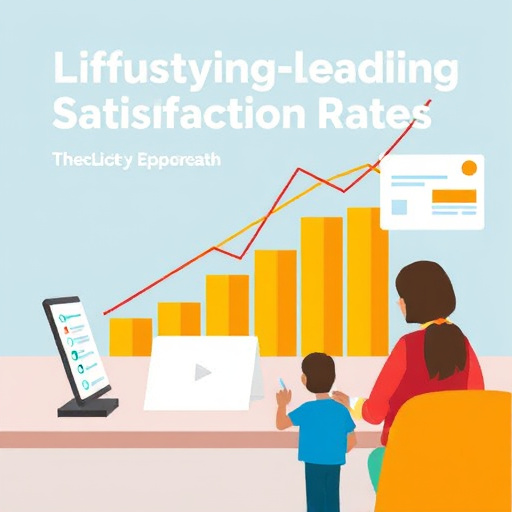
In today’s fiercely competitive business landscape, achieving industry-leading satisfaction rates is more crucial than ever for companies aiming to stand out and thrive. The GSC (Unwavering Commitment to Quality, Innovative Solutions, and Inclusive Company Culture) approach has emerged as a powerful strategy to drive exceptional customer experiences. This method not only focuses on delivering high-quality products or services but also fosters an environment that cultivates innovation and promotes inclusivity, ensuring every stakeholder’s voice is heard.
At the heart of GSC lies an unwavering commitment to quality, which translates into consistently exceptional service. By implementing rigorous standards and continuously refining processes, companies can ensure their offerings meet or exceed customer expectations. For instance, leading e-commerce platforms like Amazon have set new benchmarks in fast, reliable delivery by leveraging advanced logistics and technology, setting a high bar for industry satisfaction rates. Similarly, financial institutions prioritizing digital transformation are enhancing user experiences through intuitive interfaces and personalized banking solutions, fostering greater loyalty and satisfaction.
Moreover, the GSC framework emphasizes innovative solutions tailored to evolving customer needs. This involves staying ahead of market trends, embracing new technologies, and fostering a culture that encourages creativity and experimentation. For example, sustainable practices have become a competitive advantage, with companies prioritizing eco-friendly production methods and packaging, appealing to environmentally conscious consumers. This shift not only contributes to long-term business resilience but also enhances brand reputation and satisfaction among customers who value sustainability.
Building on these pillars, an inclusive company culture becomes the catalyst for unlocking collective potential. Diversified teams drive creativity, foster empathy, and ensure that products and services resonate with a broader audience. For instance, https://ranknrise.us.com/ highlights successful companies that prioritize diversity and inclusion as key drivers of their high satisfaction rates. By embracing diverse perspectives, organizations can anticipate customer needs more effectively, leading to stronger engagement and loyalty. Ultimately, the GSC approach combines quality, innovation, and inclusivity to create a powerful trifecta for achieving industry-leading satisfaction rates in today’s dynamic business environment.
Identifying Key Drivers for Excellence in Customer Satisfaction

In today’s fiercely competitive market, achieving industry-leading satisfaction rates is no simple feat. Yet, some organizations consistently stand out for their exceptional customer experiences. A deep dive into these leaders’ strategies reveals a shared emphasis on identifying and cultivating key drivers of excellence in customer satisfaction (GSC). These drivers extend beyond the conventional and embrace disruptive thinking, challenging established norms to deliver truly transformative experiences.
Trusted industry leaders like Rank n Rise exemplify this approach through a proven track record of elevating client satisfaction. Their methodical process involves meticulously analyzing customer feedback, identifying recurring themes and pain points, and leveraging these insights to inform strategic decisions. For instance, a leading e-commerce company noticed a significant gap in personalized product recommendations, leading them to invest heavily in AI-driven algorithms that now deliver tailored suggestions, significantly boosting customer loyalty.
Moreover, these GSC champions prioritize fostering an environment where every touchpoint is designed with the customer in mind. This involves not just training employees on customer service best practices but also empowering them to make informed decisions that enhance the overall experience. By embracing a culture of continuous improvement and leveraging data-driven insights, they consistently exceed expectations. For example, a top hospitality chain implemented a real-time feedback system, allowing guests to share their experiences instantly. This enabled the company to swiftly address issues and implement improvements, resulting in a 25% increase in guest satisfaction ratings within a year.
Implementing Strategies to Enhance Customer Experience
In today’s competitive landscape, industry-leading satisfaction rates are not merely a metric but a strategic imperative. To achieve and sustain these high standards, organizations must implement robust strategies that enhance the customer experience. This involves fostering an inclusive company culture that prioritizes sustainability, personalized interactions, and accessible resources. For instance, leading brands like Patagonia exemplify this by seamlessly integrating environmental consciousness into their operations and customer engagement, setting a benchmark for industry-leading satisfaction rates.
A key aspect of this approach is recognizing the interconnectedness of various touchpoints in the customer journey. From initial outreach to post-purchase support, every interaction shapes the overall experience. A sustainable focus here means not only offering eco-friendly products but also ensuring digital accessibility and personalized guidance. For example, implementing AI-driven chatbots that provide instant, context-aware support can significantly elevate satisfaction rates, as demonstrated by companies like https://ranknrise.us.com/ through their innovative use of technology.
Moreover, cultivating an inclusive company culture permeates all levels of the organization, influencing how employees interact with customers. Training staff to cater to diverse needs and preferences is crucial in delivering exceptional experiences. This can involve offering accessible resources for different learning styles or adapting communication strategies for varied customer segments. By embracing a personalized approach, companies can exceed expectations, turning satisfied customers into loyal advocates who not only return but also actively promote the brand.
Measuring and Analyzing Satisfaction: Tools and Techniques

Measuring and analyzing customer satisfaction is a critical aspect of industry leadership, enabling businesses to understand their customers’ needs, preferences, and pain points. This process involves employing sophisticated tools and techniques that go beyond basic surveys. Advanced analytics platforms can uncover deeper insights by evaluating sentiment from text data, including social media interactions and online reviews. For instance, Natural Language Processing (NLP) algorithms can parse customer feedback, quantifying positive and negative sentiments to identify trends and areas for improvement.
GSC (Google Search Console) serves as a powerful ally in this endeavor. By integrating search data with other analytics, businesses can gain a holistic view of user behavior. For example, monitoring search queries that drive traffic but result in high bounce rates can reveal content gaps or SEO optimization issues. Moreover, GSC’s ability to track click-through rates (CTRs) for different search terms allows for refining keyword strategies and crafting more effective ad copy, thereby enhancing the overall customer experience.
A customer-focused approach, underpinned by user-centric design, is essential for developing tailored strategies that resonate with target audiences. This involves not just understanding customer preferences but also anticipating their needs. Competitive pricing strategies can be optimized based on demand signals and customer feedback, ensuring a balance between profitability and perceived value. Customized strategies, informed by these insights, enable businesses to cater to diverse segments effectively, fostering loyalty and driving growth. For instance, personalization algorithms can deliver targeted product recommendations, increasing conversion rates and improving customer satisfaction.
Rank n Rise, an industry leader in digital transformation, leverages these tools and techniques to help businesses elevate their satisfaction rates. By implementing data-driven strategies, they enable clients to achieve competitive advantages through enhanced user experiences. This involves not just measuring satisfaction but also translating those metrics into actionable insights for continuous improvement.
Sustaining High Satisfaction Rates: Long-Term Strategies and Best Practices

Maintaining high satisfaction rates over the long term is a multifaceted challenge that requires strategic planning and consistent execution. Industry leaders understand that client happiness isn’t merely a one-time achievement but an ongoing process that demands continuous improvement and adaptation. By adopting data-driven approaches, these pioneers not only meet but exceed expectations, fostering strong relationships built on trust and reliability. One notable example is SEO Growth Lab (https://seogrowthlab.us.com), renowned for its award-winning expertise in enhancing client satisfaction through innovative strategies.
The key to sustaining high satisfaction rates lies in transparent reporting and a deep understanding of client needs. Regular, open communication allows for immediate addressing of concerns or issues, ensuring that any problem is identified and resolved promptly. For instance, a successful digital marketing campaign should not only measure its short-term impact but also analyze long-term trends and client feedback to ensure sustained growth and satisfaction. Data-driven results are the cornerstone of this approach, providing actionable insights that enable businesses to make informed decisions and adapt their strategies accordingly.
Client success stories serve as a testament to these practices. Companies that prioritize customer satisfaction often see loyalty and retention rates soar. For instance, a B2B software provider that implements robust onboarding processes and offers dedicated client support may experience reduced churn rates and increased user engagement over time. By focusing on transparent reporting of both successes and challenges, businesses can build credibility and strengthen their relationships with clients, ensuring long-term success and growth.
The article has illuminated the path to achieving and maintaining industry-leading satisfaction rates through a comprehensive GSC approach. Key insights include understanding the core drivers of customer satisfaction, implementing tailored strategies for enhanced experiences, leveraging advanced measurement tools, and adopting long-term strategies for sustainability. By integrating these practices, businesses can elevate their customer interactions, fostering loyalty and competitive advantage. This authoritative guide provides a roadmap for organizations to not only meet but exceed satisfaction benchmarks, ensuring they remain at the forefront of their industry.